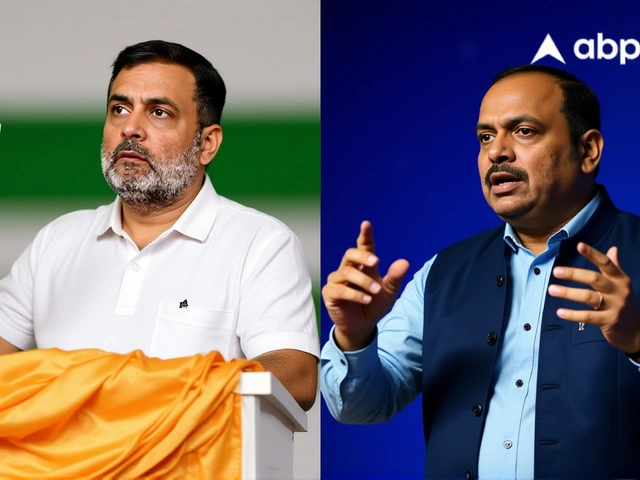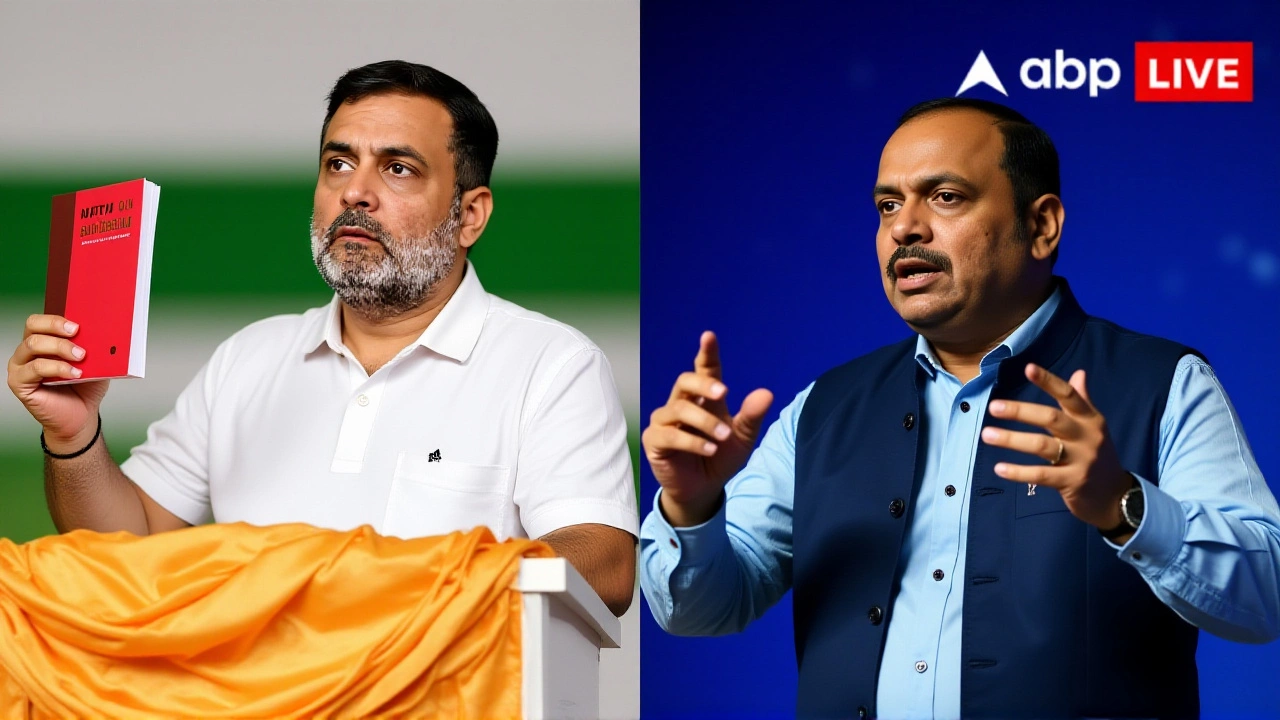
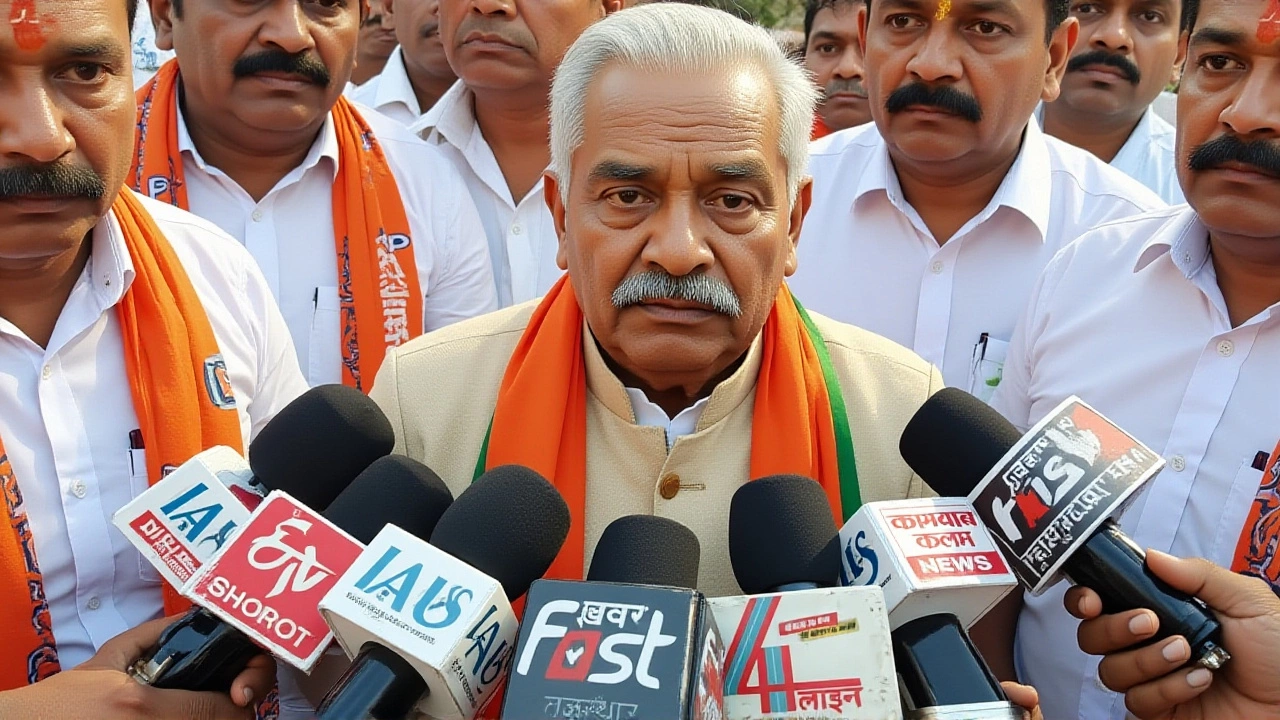
When Devendra Fadnavis, Chief Minister of Maharashtra, was asked about opposition predictions regarding the stability of the central government, he didn't mince words. The Maharashtra leader dismissed claims that the National Democratic Alliance (NDA) could fall within a year as pure fantasy. Speaking to reporters on Sunday in Mumbai, Fadnavis characterized the remarks not just as incorrect, but as detached from political reality.
The target of his ire? Rahul Gandhi, Leader of the Opposition in the Lok Sabha. According to reports from the Press Trust of India (PTI), the Congress leader allegedly predicted during an internal meeting that the Narendra Modi-led government would not survive beyond the coming year. Fadnavis’s response was swift, sharp, and steeped in cultural reference.
The "Mungerilal" Analogy
Here’s the thing: Indian politics often uses pop culture to make a point stick. Fadnavis invoked a specific memory for many Indians—Mungerilal Ke Haseen Sapne. This popular television serial, which aired years ago, centered on a character who lived in a world of fanciful dreams and unrealistic expectations. By comparing Gandhi’s prediction to this show, Fadnavis suggested that expecting the NDA to collapse is akin to wishing for something impossible rather than analyzing ground realities.
"There was once a popular television programme called Mungerilal Ke Haseen Sapne. His statement is nothing beyond that," Fadnavis told journalists. It’s a biting critique. He wasn’t just disagreeing with the timeline; he was questioning the credibility of the source itself. In his view, labeling such a prediction as anything other than "daydreaming" would be doing the opposition a favor they haven’t earned.
Context of the Alleged Remarks
To understand why this reaction was so heated, we need to look at where these comments supposedly originated. The BJP alleges that Gandhi made these remarks during a meeting of the advisory council of the Congress Minority Department. This internal body focuses on outreach and policy regarding minority communities in India. The meeting reportedly took place on a Tuesday earlier that week.
While Gandhi has not publicly confirmed the exact wording or context of his speech at that closed-door session, BJP leaders have seized upon it. They argue that if the Leader of the Opposition believes the government will fall in less than 12 months, it signals either desperation or a lack of serious strategy. Union Minister Piyush Goyal joined the chorus, claiming that Gandhi’s "plan" had been exposed. Goyal argued that such predictions reveal more about the opposition’s mindset than the actual strength of the ruling coalition.
Broadening the Political Rift
This exchange isn’t happening in a vacuum. It comes amid a period of intense political maneuvering across India. The NDA, led by Prime Minister Narendra Modi, maintains a strong parliamentary majority, making any talk of imminent collapse seem unlikely to observers. However, political narratives are rarely about current facts alone; they are about future perceptions.
By framing Gandhi’s comments as "daydreaming," the BJP aims to portray the opposition as out of touch. Conversely, critics might argue that dismissing all opposition analysis as fantasy prevents genuine debate about governance issues. The tension highlights a growing rhetorical divide between New Delhi’s corridors of power and the opposition benches. While the BJP focuses on projecting stability and development, the Congress party continues to emphasize accountability and potential vulnerabilities in the ruling alliance.

What This Means for Voters
For the average voter, this spat might seem like typical political posturing. But these narratives shape public perception. If the opposition is seen as predicting failure without concrete evidence, it can erode trust in their leadership. On the flip side, if the ruling party appears overly defensive, it might raise questions about hidden weaknesses.
The details of Gandhi’s exact arguments at the advisory council meeting remain unclear to the public. We don’t know if he cited specific economic indicators, social unrest, or internal coalition friction. Without those specifics, the BJP’s characterization stands unchallenged in the media cycle. As we move forward, watch for whether the Congress party chooses to clarify its stance or let the "daydreaming" label stick. The next few weeks will likely see more of this kind of high-stakes verbal sparring as both parties prepare for upcoming political battles.
Frequently Asked Questions
What did Devendra Fadnavis say about Rahul Gandhi?
Devendra Fadnavis dismissed Rahul Gandhi’s alleged prediction that the NDA government would collapse within a year as "daydreaming." He compared the statement to the TV serial "Mungerilal Ke Haseen Sapne," suggesting it was based on unrealistic fantasies rather than political reality.
Where did Rahul Gandhi allegedly make these comments?
According to BJP allegations reported by PTI, Rahul Gandhi made these remarks during a meeting of the advisory council of the Congress Minority Department. The meeting reportedly took place on a Tuesday prior to Fadnavis’s Sunday response.
How did other BJP leaders react?
Union Minister Piyush Goyal and other BJP leaders reacted strongly, claiming that Gandhi’s "plan" was exposed. They framed the prediction as evidence of the opposition’s wishful thinking and lack of a grounded strategy to challenge the current government.
Is there any proof that the NDA government will collapse?
Currently, there is no concrete evidence or polling data suggesting an imminent collapse of the NDA government. The ruling coalition holds a significant majority in Parliament, making such a scenario politically unlikely in the short term according to most analysts.