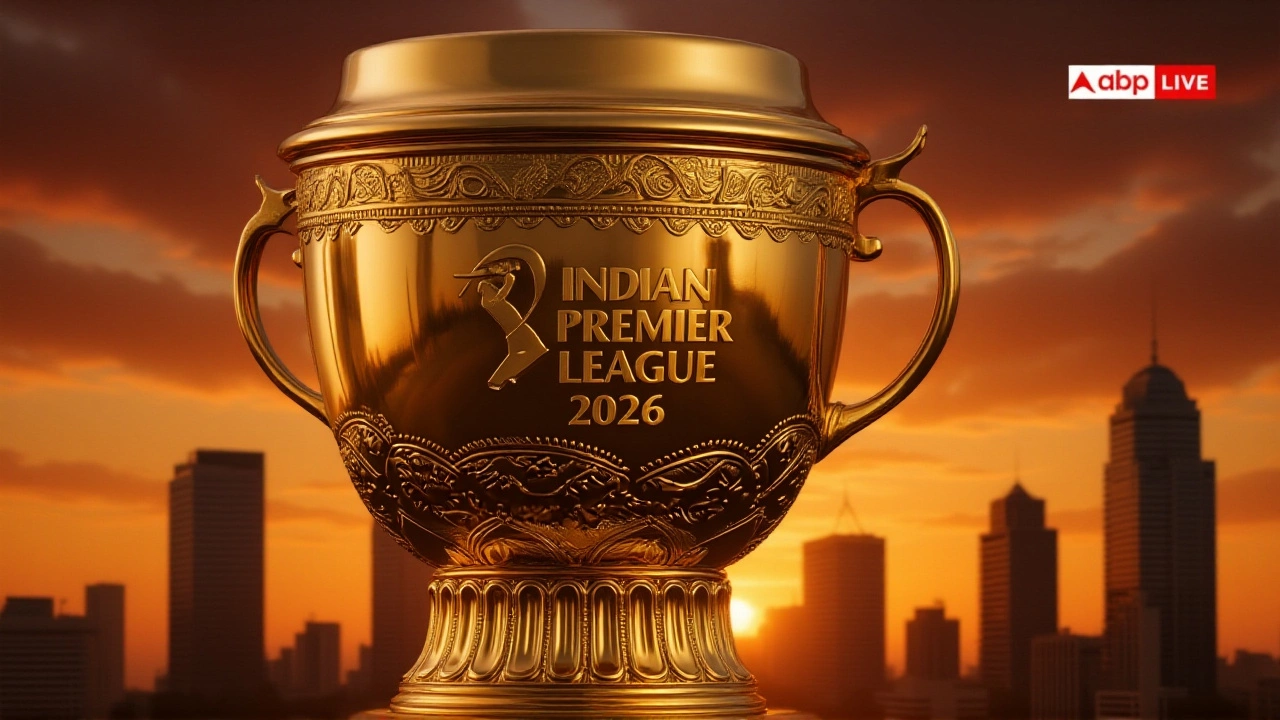
When the final ball is bowled at Ahmedabad or Chennai, everyone celebrates. But behind the confetti and champagne, there’s a strict financial rulebook governing who actually pockets the cash. Here’s the thing: winning the Indian Premier League trophy isn’t just about glory—it’s about a guaranteed ₹20 crore pot that must be split in half.
The Board of Control for Cricket in India (BCCI) has laid down non-negotiable terms for this distribution. For the upcoming seasons, including IPL 2026India, the winner receives ₹20 crore. The loser gets ₹12.5 to ₹13 crore. But how does that money flow? It doesn’t all go to the owner’s corporate account.
The 50-50 Rule: Players vs. Franchise Owners
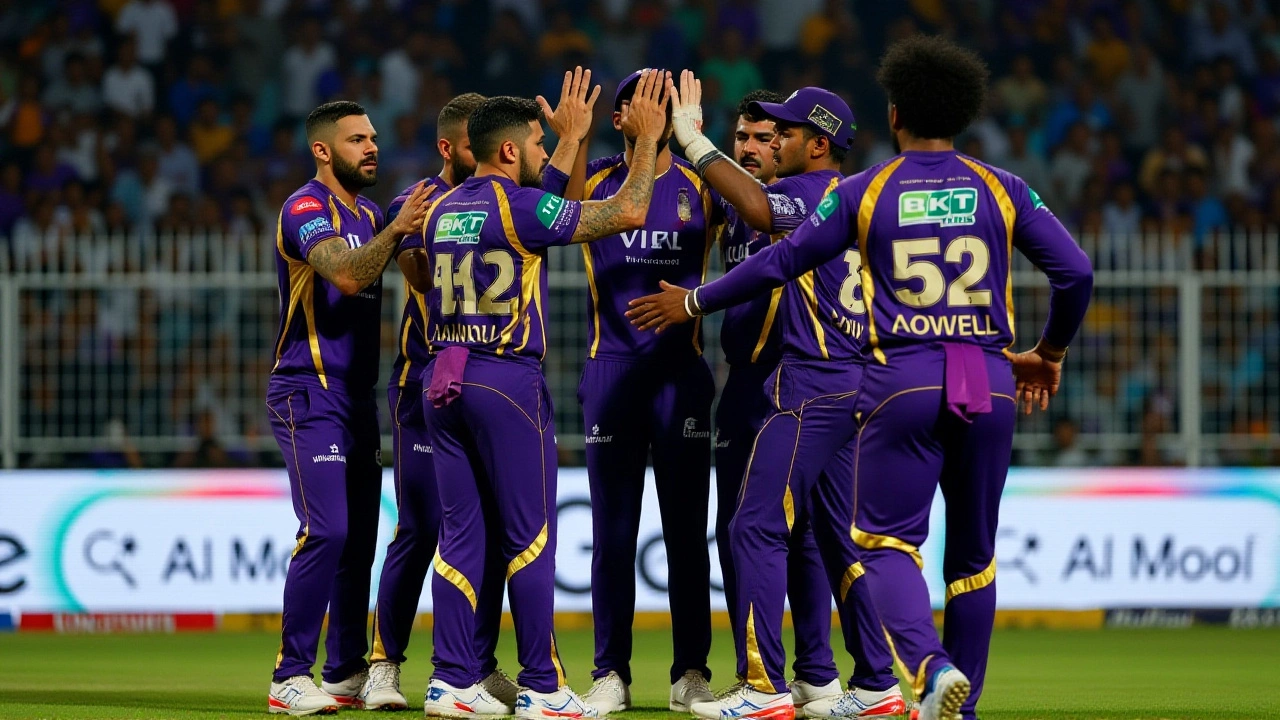
Turns out, the BCCI mandates a rigid structure. At least 50% of the total prize money—so, ₹10 crore from the ₹20 crore pot—must be distributed among the players and support staff. The remaining 50% goes directly to the franchise owners.
This isn’t a suggestion; it’s a contractual obligation. According to reports from ABP Live, no franchise can retain the entire amount. This ensures that the athletes who played every match get a tangible reward for their season-long grind. However, the exact share each player gets varies wildly. It depends on internal team policies, individual performance metrics, and role within the squad. A star batsman might see a larger cut than a backup wicketkeeper, but everyone involved in the campaign gets something.
It’s crucial to understand that this prize money is a bonus. It sits completely separate from the salaries paid during the mega auctions. Whether you’re an Indian domestic player earning ₹20 lakh or an international superstar like Jasprit Bumrah earning ₹12 crore, your auction salary is paid regardless of whether you win or lose. The prize pool is extra—a sweetener for victory.
Beyond the Trophy: Individual Awards and Smaller Pots
The trophy isn’t the only thing up for grabs. The league sprinkles smaller cash rewards throughout the tournament to highlight individual brilliance. These amounts are modest compared to the team prize but still significant for career milestones.
- Orange Cap (Most Runs): ₹1 lakh
- Purple Cap (Most Wickets): ₹1 lakh
- Emerging Player of the Season: Reports vary between ₹1 lakh and ₹20 lakh depending on the source and year.
- Most Valuable Player (MVP): ₹1 lakh
- Fair Play Award: ₹1 lakh
- Pitch & Ground Award: ₹50 lakh (given to the curator and ground management)
Interestingly, while these individual awards seem small, they carry immense prestige. Winning the Orange Cap can boost a player’s auction value significantly in future seasons. The Pitch Award, worth ₹50 lakh, highlights the often-overlooked importance of pitch curators in maintaining game quality.
Where Does the Real Money Come From?
If ₹20 crore sounds like a lot, it’s actually a drop in the ocean for franchise owners. Their real wealth comes from elsewhere. The primary revenue streams for teams like Mumbai Indians or Chennai Super Kings are media rights, sponsorships, and ticket sales.
The BCCI distributes billions of rupees annually from central broadcasting deals to franchises. When you add local sponsorships, merchandise, and stadium revenue, the prize money becomes more of a symbolic gesture than a financial necessity for the owners. For them, winning boosts brand value, which translates to higher sponsorship deals next year. That’s where the millions lie.
Historical Context: From ₹4.8 Crore to ₹20 Crore
Let’s look back. In the inaugural IPL 2008South Africa, the winners (Rajasthan Royals) took home just ₹4.8 crore. The runners-up (Chennai Super Kings) got ₹2.4 crore.
Fast forward to today, and the winner’s pot has quadrupled to ₹20 crore. This growth mirrors the explosion of cricket’s commercial value in India. Since 2022, the Tata Group has served as the title sponsor, further cementing the league’s premium status. The International Cricket Council (ICC) even created a specific window in its Future Tours Programme to protect the IPL schedule, acknowledging its global dominance.
What’s Next for IPL Prize Pools?
With the league expanding to 12 teams and valuations soaring, questions arise: Will the prize money increase? Currently, the ₹20 crore figure has remained static since 2022. However, with new media rights deals expected to bring in unprecedented revenue, fans hope the player’s share will grow too. After all, if the pie gets bigger, shouldn’t the slice for the players get thicker?
Frequently Asked Questions
Does the IPL winner's prize money go to the players or the owners?
The prize money is split equally. Under BCCI rules, at least 50% of the total prize pool (₹10 crore out of ₹20 crore) must be distributed among the players and support staff. The remaining 50% goes to the franchise owners.
Is the IPL prize money part of the player's auction salary?
No, it is not. The prize money is considered a bonus awarded only for winning the championship. Players receive their full auction-determined salary regardless of whether their team wins or loses the tournament.
How much do the runner-up teams receive in IPL?
The runner-up team typically receives between ₹12.5 crore and ₹13 crore. Like the winners' prize, this amount is also subject to distribution rules, though the exact split between players and owners may vary slightly based on franchise agreements.
Who decides how the player's share of the prize money is distributed?
The franchise management decides the internal distribution. They consider factors like individual performance, role in the team, and contribution to the victory. There is no fixed per-player amount set by the BCCI; it is determined by the team's internal policy.
Has the IPL prize money increased over the years?
Yes, significantly. In 2008, the winner received ₹4.8 crore. By 2022, it had risen to ₹20 crore, where it has remained stable for recent seasons. This represents a more than fourfold increase, reflecting the league's growing commercial value.