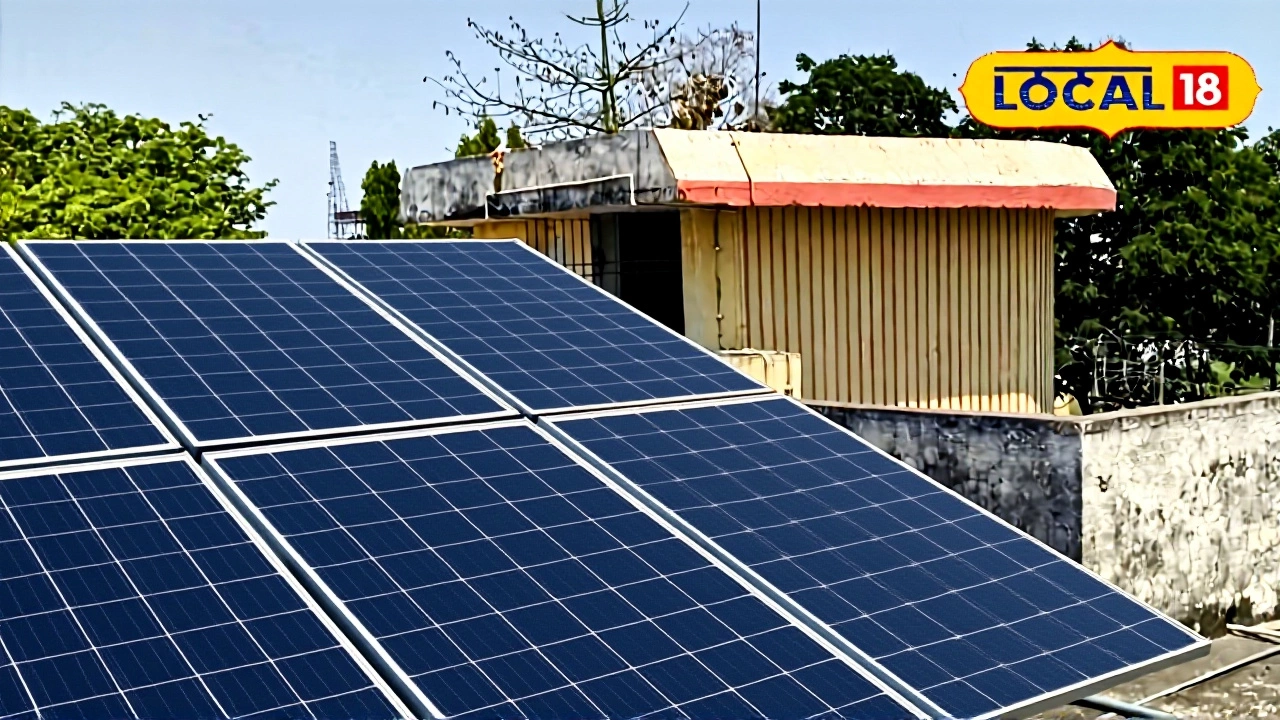
There's a story circulating online that sounds like it belongs in a political thriller rather than a university newsletter. The claim? That Veer Kunwar Singh University, located in Ara, Bihar, spent ₹2 crore on solar panels that have since turned into scrap, leaving the institution to pay massive electricity bills while wondering who is responsible.
It’s an eye-catching headline. It promises corruption, waste, and accountability. But here’s the twist: after digging through available news archives, government documents, and technical reports, there isn’t a single credible source confirming this specific allegation. No official inquiry report. No named officials. No verified financial audit linking the ₹2 crore expenditure directly to failed infrastructure at the university.
So, what’s going on? Is it a complete fabrication? Or is it a case of local rumors getting amplified by social media without factual backing? Let’s unpack what we do know—and what remains suspiciously quiet.
The Missing Evidence
When a claim involves public funds—especially ₹2 crore (approximately $240,000)—there should be paper trails. Tender notices, installation contracts, maintenance logs, or even student protests usually surface within weeks. In this case, the digital footprint is surprisingly thin.
Searches for "Veer Kunwar Singh University solar panel waste" or similar Hindi queries yield no direct news articles from reputable outlets like The Hindu, NDTV, or Bihar Prakash. There are no statements from the Vice-Chancellor, no press releases from the Bihar Higher Education Department, and no mentions in recent Right to Information (RTI) responses indexed online.
This silence is telling. If such a scandal were real, whistleblowers, opposition politicians, or student unions would likely have made noise. The absence of primary sources suggests the story may be either premature, exaggerated, or entirely unverified.
Context: India’s Solar Energy Boom
To understand why this rumor might have gained traction, we need to look at the broader picture. India’s solar energy industry is booming. Valued at around ₹20 lakh crore ($240 billion), it’s one of the fastest-growing sectors in the country. But with rapid expansion comes growing pains.
The National Green Tribunal (NGT) has recently raised serious concerns about solar panel waste management. As installations surge, so does the volume of discarded panels. Currently, India lacks a robust recycling infrastructure for photovoltaic waste. This national-level issue might be bleeding into local narratives, causing people to assume every solar project failure is part of a larger pattern of negligence.
However, conflating national policy gaps with specific institutional failures is dangerous. Just because solar waste is a problem doesn’t mean every university project is a scam.
The Economics of Small-Scale Solar
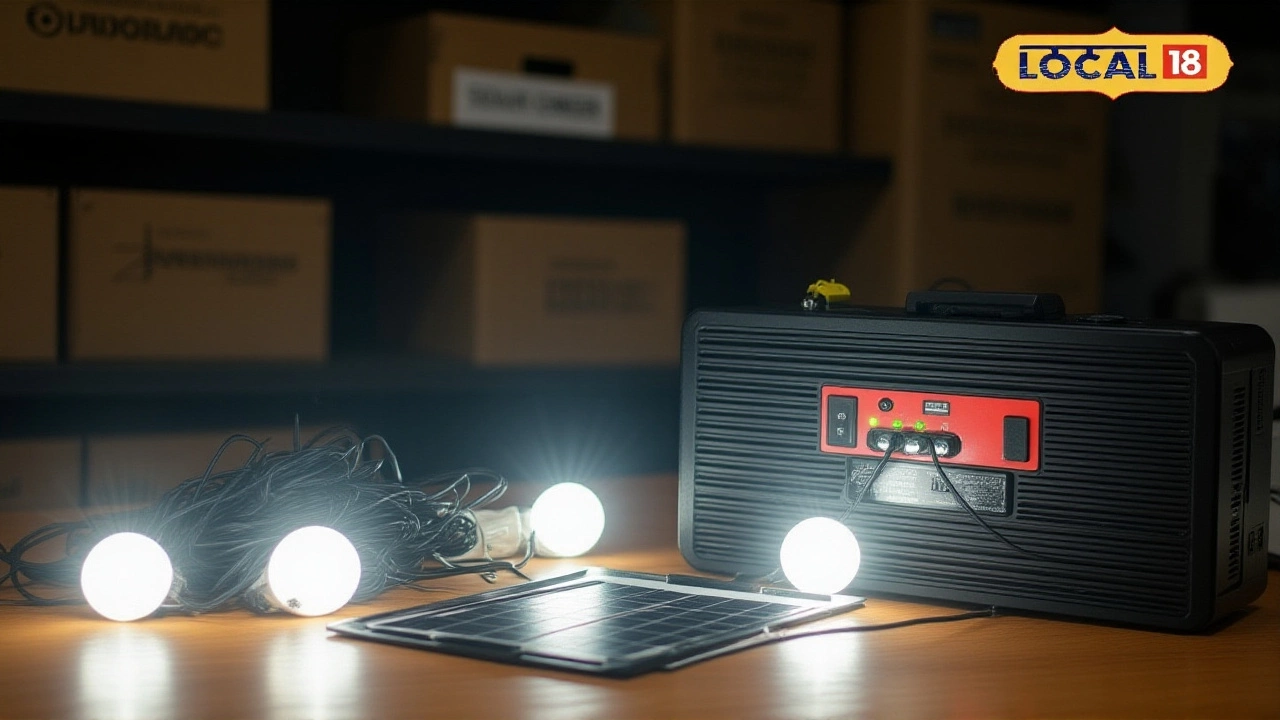
Let’s look at the numbers. A typical small-scale residential solar system—say, a 2kW setup—costs between ₹1.14 lakh and ₹1.8 lakh, depending on brand and components. These systems can generate about 8 units of electricity per day and save households roughly ₹21,600 annually. With subsidies from the Ministry of New and Renewable Energy (MNRE), costs can drop significantly.
A ₹2 crore project would imply a massive installation—likely hundreds of kilowatts. For a university campus, this isn’t unheard of. Many institutions across India have installed large-scale rooftop solar farms to reduce operational costs. But scale brings complexity. Poor maintenance, substandard inverters, or shading issues can render expensive panels useless.
If Veer Kunwar Singh University did install such a system, the question isn’t just about cost—it’s about lifecycle management. Did they hire qualified technicians? Are regular cleaning and monitoring protocols in place? Without these, even the best panels degrade quickly.
Why This Story Matters
Even if the specific claims about Veer Kunwar Singh University lack evidence, the underlying concern is valid. Public money must be accounted for. Taxpayers deserve transparency when millions are spent on green initiatives. And students deserve reliable infrastructure.
The danger lies in spreading unverified allegations. Doing so can damage reputations unfairly and distract from genuine issues. Instead of sharing sensational headlines, citizens should demand RTIs, attend public hearings, and pressure authorities for audits.
Journalists and fact-checkers play a crucial role here. We must verify before amplifying. Otherwise, we risk becoming megaphones for misinformation.
What’s Next?
For now, the ball is in the court of the university administration and state education departments. If the solar panels are indeed non-functional, they should acknowledge it publicly, initiate repairs or replacements, and explain where the funds went. Transparency builds trust; secrecy breeds suspicion.
Citizens interested in this issue can file RTI applications seeking details of the solar project tender, vendor names, installation dates, and current functionality status. Local journalists should follow up with ground reporting—not just online sleuthing.
Frequently Asked Questions
Is there any proof that Veer Kunwar Singh University wasted ₹2 crore on solar panels?
As of now, no credible news reports, government documents, or official statements confirm this claim. Extensive searches yielded no primary evidence linking the university to a failed ₹2 crore solar project. The story appears to be unverified.
Why are solar panels turning into scrap in India?
India lacks a comprehensive recycling framework for end-of-life solar panels. The National Green Tribunal has highlighted this gap, noting that waste is accumulating faster than disposal mechanisms can handle. Poor maintenance also contributes to premature failure.
How much does a typical solar installation cost?
A standard 2kW residential system costs between ₹1.14 lakh and ₹1.8 lakh. Larger commercial or institutional projects vary widely based on capacity, but ₹2 crore would indicate a significant multi-megawatt installation requiring professional oversight.
Who is responsible for verifying such claims?
Citizens can use the Right to Information (RTI) Act to request project details. Journalists and independent fact-checkers also play a key role in investigating and validating allegations before they spread. Government auditors are ultimately responsible for ensuring fund utilization.
Could this story be true despite lacking online evidence?
It’s possible. Local scandals don’t always make national headlines immediately. However, without verifiable data, treating it as fact is irresponsible. Ground-level investigation and official records are needed to confirm or deny the allegations.