It’s not just hot; it’s deadly. Across northern India, temperatures are smashing records, pushing past 47°C in several districts while a grim toll of over 160 deaths mounts in Uttar Pradesh. The India Meteorological Department (IMD) has issued severe heatwave warnings through May 27, but there’s a twist in the forecast that could bring some much-needed relief.
Here’s the situation on the ground: Cities like Delhi, Lucknow, and Varanasi are baking under what experts call "severe heatwaves." Nights aren’t offering any respite either, with minimum temperatures staying dangerously high—a phenomenon known as "warm nights" that prevents the body from cooling down after a scorching day.
The Human Cost of Extreme Heat
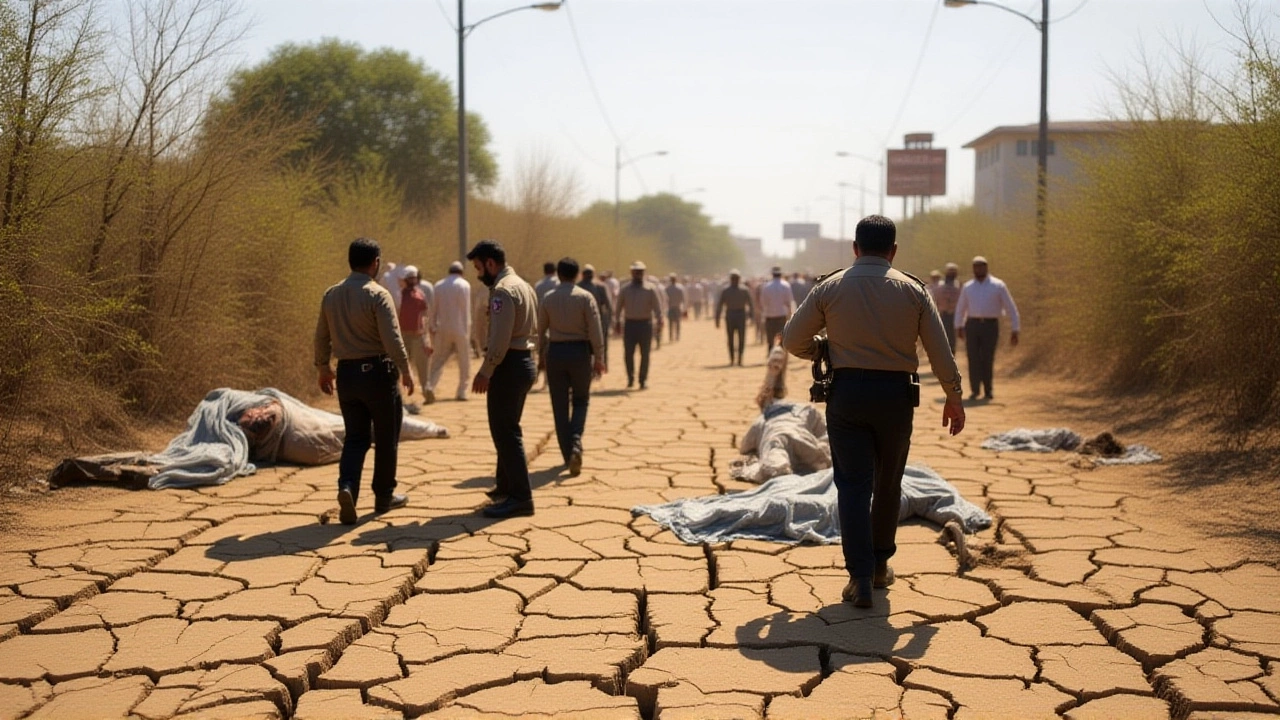
While the numbers on a thermometer tell one story, the human impact is far more harrowing. Media reports indicate that more than 160 people have succumbed to the extreme heat and loo (hot windstorms) across Uttar Pradesh alone. The details are still being compiled by authorities, but regional breakdowns paint a stark picture.
In Eastern Uttar Pradesh, the death toll exceeds 77. The Bundelkhand region and Central UP account for over 38 fatalities. Specific districts bear the brunt of this crisis:
- Varanasi: 34 reported deaths
- Azamgarh: 16 reported deaths
- Mahoba: 14 reported deaths
- Mirzapur: 10 reported deaths
- Lucknow: 9 reported deaths
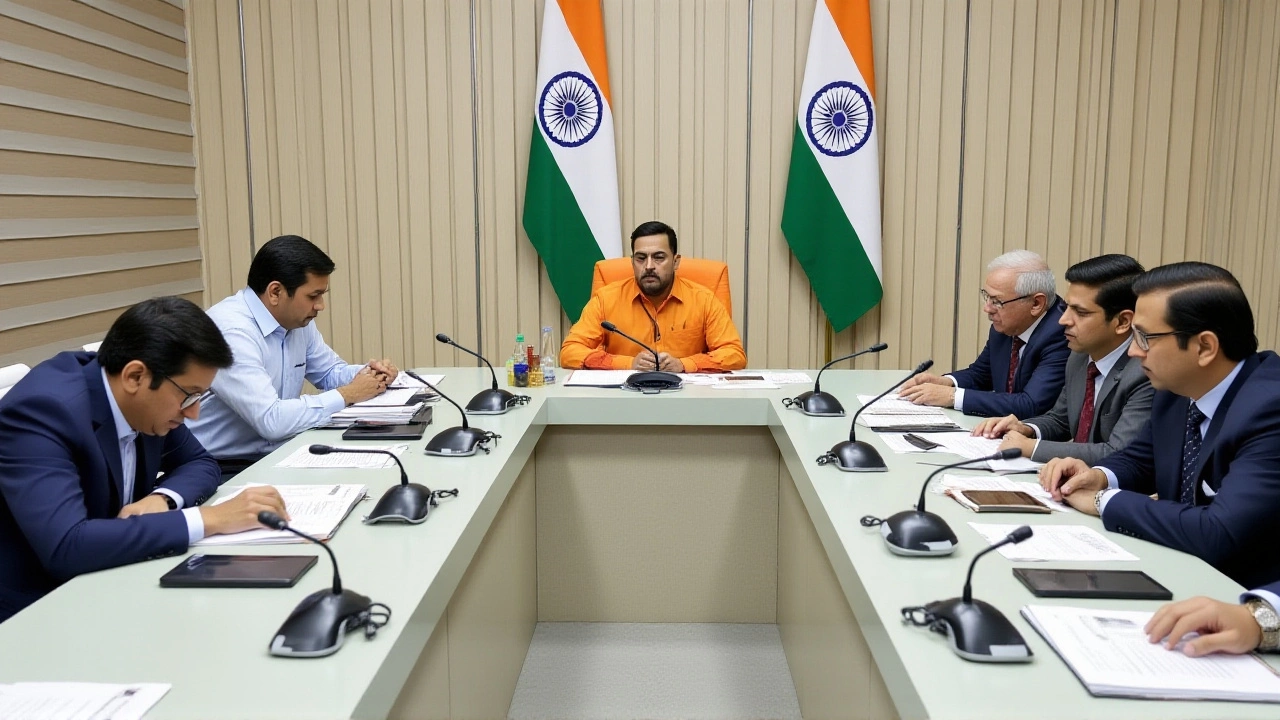
Oddly enough, despite these alarming figures, official government bulletins have yet to release comprehensive data. Yogi Adityanath, Chief Minister of Uttar Pradesh, has directed officials to take immediate action, but the gap between media reports and official statistics remains a point of concern for health experts.
Record-Breaking Temperatures
Let’s talk numbers because they’re shocking. Banda district recorded a staggering 47.6°C, shattering previous April records. Prayagraj and Varanasi consistently hovered around 46-47°C. In Delhi, peaks reached 45°C, with forecasts suggesting a further rise of 1-2 degrees in the next 24 hours.
The IMD has maintained orange and yellow alerts for major cities including Agra, Meerut, and Kanpur since late April. The intensity hasn’t waned; if anything, it’s intensified. From 9 AM to 6 PM, venturing outside becomes nearly impossible without protective gear. By 10 AM, the loo winds begin their assault, turning streets into ovens.
A Glimmer of Hope: Western Disturbance
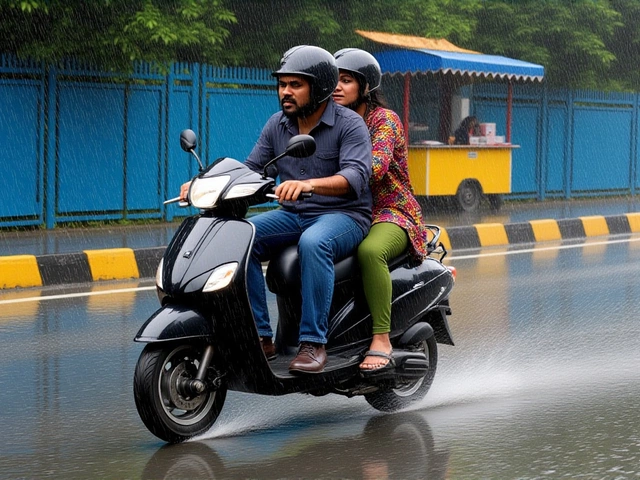
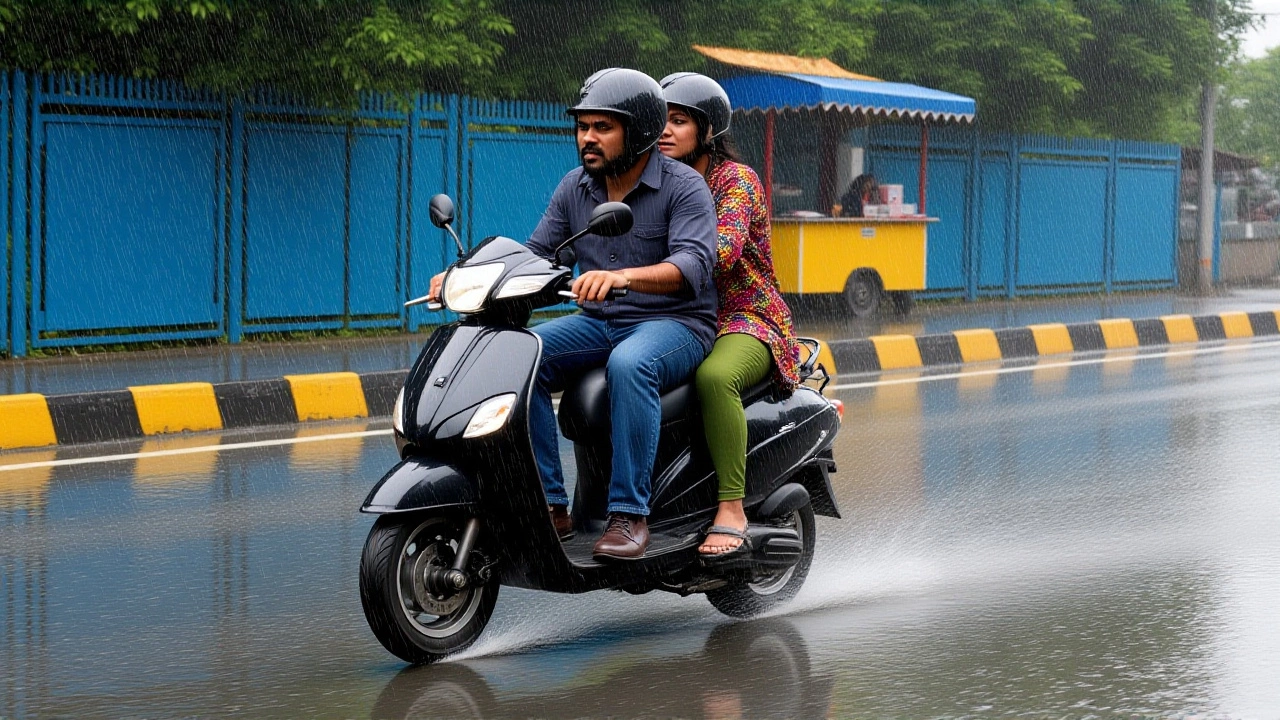
But wait—there might be a break in the clouds. Literally. The IMD predicts a western disturbance will hit northern India after May 28. This weather system typically brings thunderstorms, strong winds, and light rain.
For residents of the National Capital Region (NCR) and surrounding areas, this means a potential temperature drop of 6 to 8°C. That’s significant relief. However, don’t expect paradise. The humidity will spike, making the air feel heavy and sticky. It’s a trade-off: less burning heat, but more oppressive moisture.
Interestingly, a similar pattern occurred in late April. Around April 27, a western disturbance brought rains and thunderstorms to UP, dropping temperatures by 3-5°C. Experts say history may repeat itself, though the monsoon’s progress over the Arabian Sea and Bay of Bengal suggests broader changes are coming to South and Northeast India first.
Health Response and Preparedness
The Uttar Pradesh Health Department has scrambled to respond. Hospitals across the state have been instructed to add extra beds and stockpile medicines specifically for heatstroke and dehydration cases. Medical staff are on high alert, tasked with identifying symptoms early before conditions deteriorate.
Yet, infrastructure struggles to keep pace. Power grids face immense strain as AC usage soars, leading to intermittent outages in some rural areas. For farmers working in fields during peak hours, the risk is existential. Many continue laboring despite the danger, driven by economic necessity rather than choice.
What Lies Ahead?
Between May 24 and 27, severe heatwave warnings remain active for Delhi, Rajasthan, Punjab, Haryana, UP, and Madhya Pradesh. After May 28, the western disturbance should ease things slightly, but easterly winds will likely maintain elevated humidity levels.
In Northeast India, the situation is different. Assam, Meghalaya, and Arunachal Pradesh are facing heavy to very heavy rainfall, raising risks of landslides and waterlogging. It’s a tale of two Indias: one parched and burning, the other drowning in rain.
Frequently Asked Questions
When will the heatwave end in Delhi and UP?
The IMD expects a shift around May 28 due to a western disturbance. While temperatures may drop by 6-8°C, humidity will increase. Severe heatwave warnings remain in effect until May 27 for most northern states.
How many people have died in the heatwave?
Media reports cite over 160 deaths in Uttar Pradesh alone, with Varanasi (34), Azamgarh (16), and Mahoba (14) among the hardest-hit districts. Official consolidated data from the government has not yet been fully released.
What is a "western disturbance"?
A western disturbance is an extratropical storm that originates in the Mediterranean or Middle East and moves eastward into South Asia. In summer, it can bring thunderstorms, dust storms, and temporary temperature drops, offering brief relief from heatwaves.
Why are "warm nights" dangerous?
Warm nights prevent the human body from recovering from daytime heat stress. When nighttime temperatures stay above 25-27°C, the body cannot cool down efficiently, increasing the risk of heatstroke, cardiovascular strain, and sleep deprivation, which exacerbates health issues.
Is the monsoon arriving soon?
The monsoon is advancing over the Arabian Sea and Bay of Bengal, expected to reach parts of South and Northeast India within 48-72 hours. However, its arrival in North India, particularly Delhi and UP, remains uncertain beyond the current western disturbance activity.